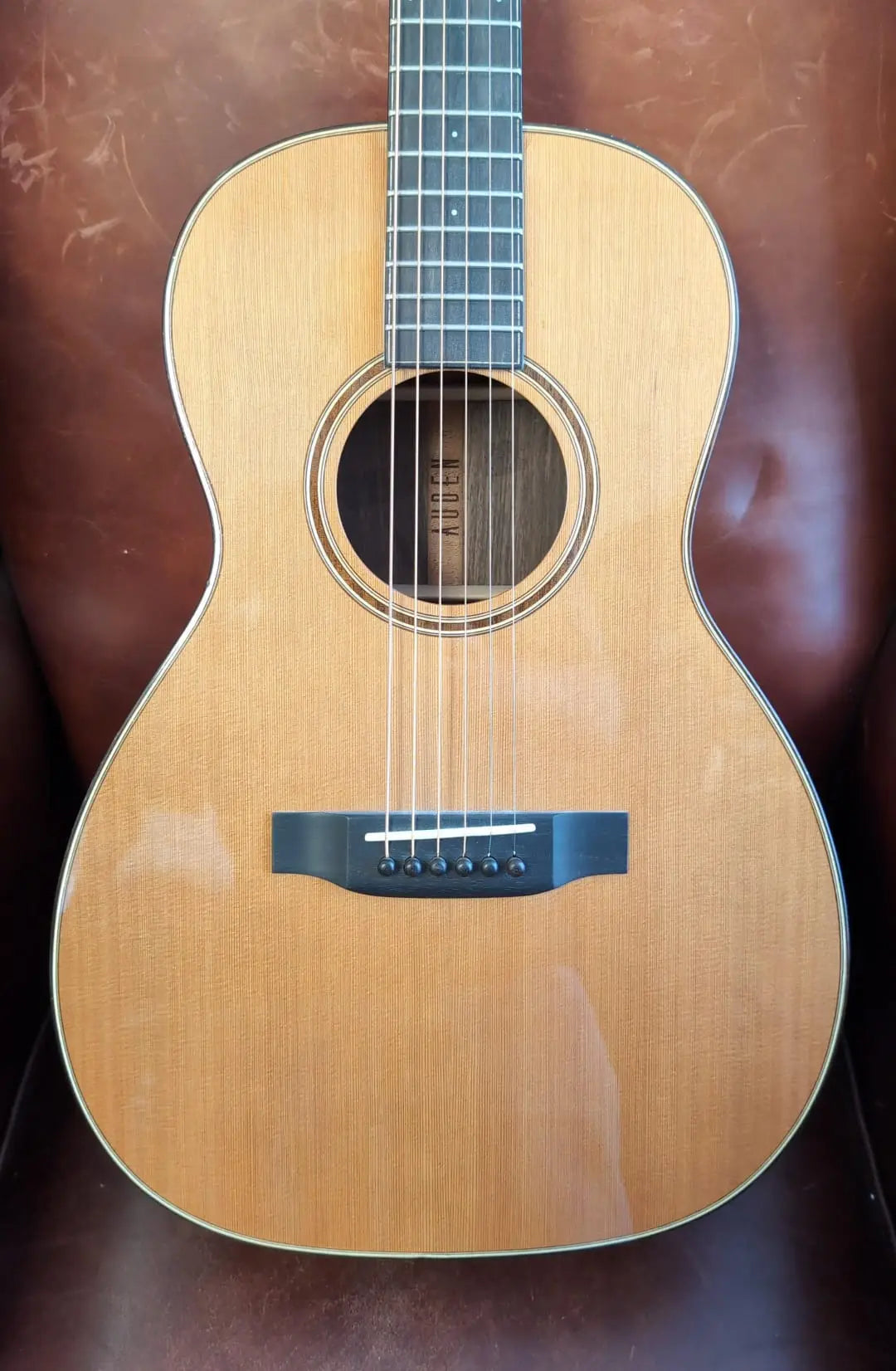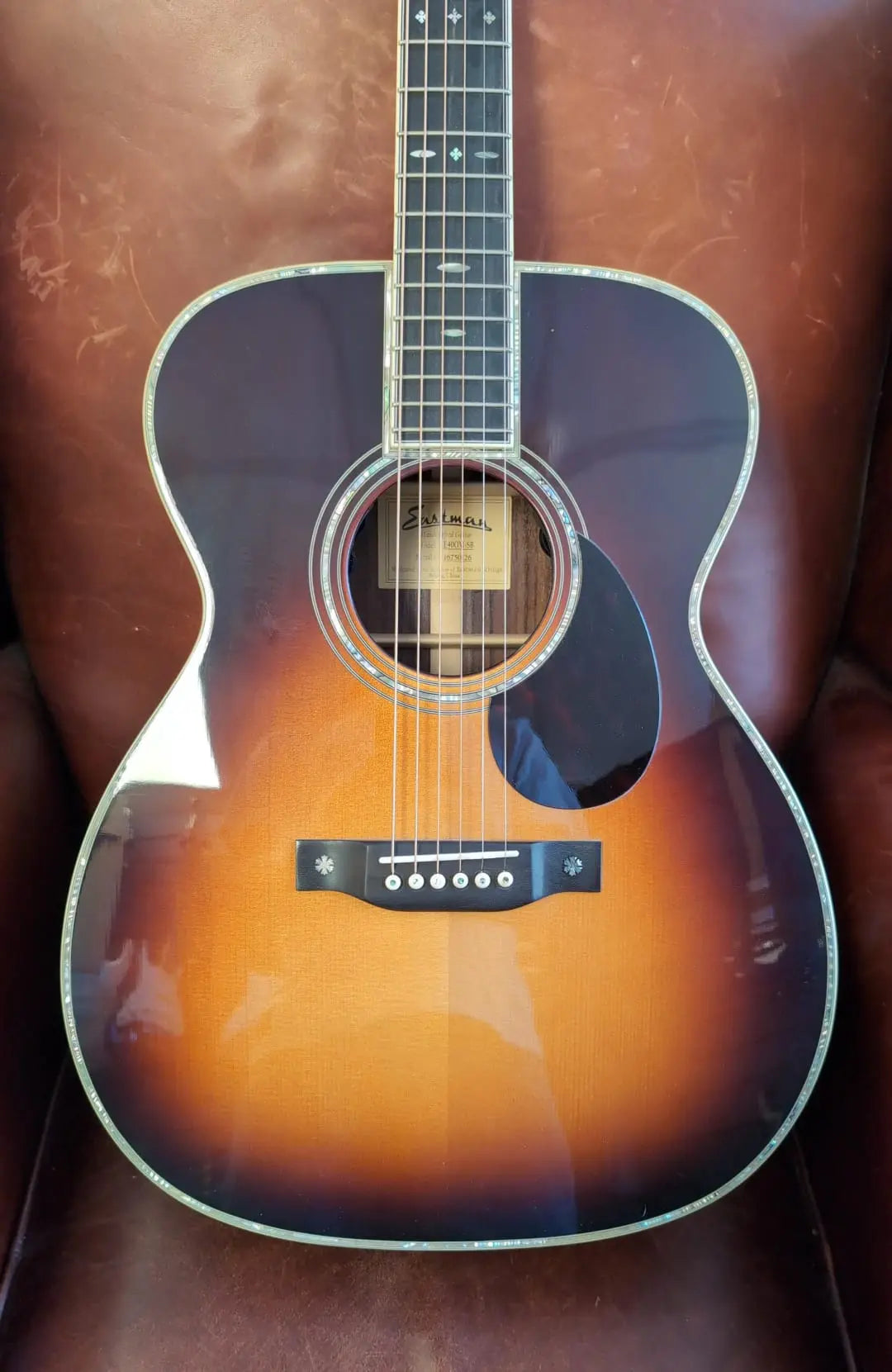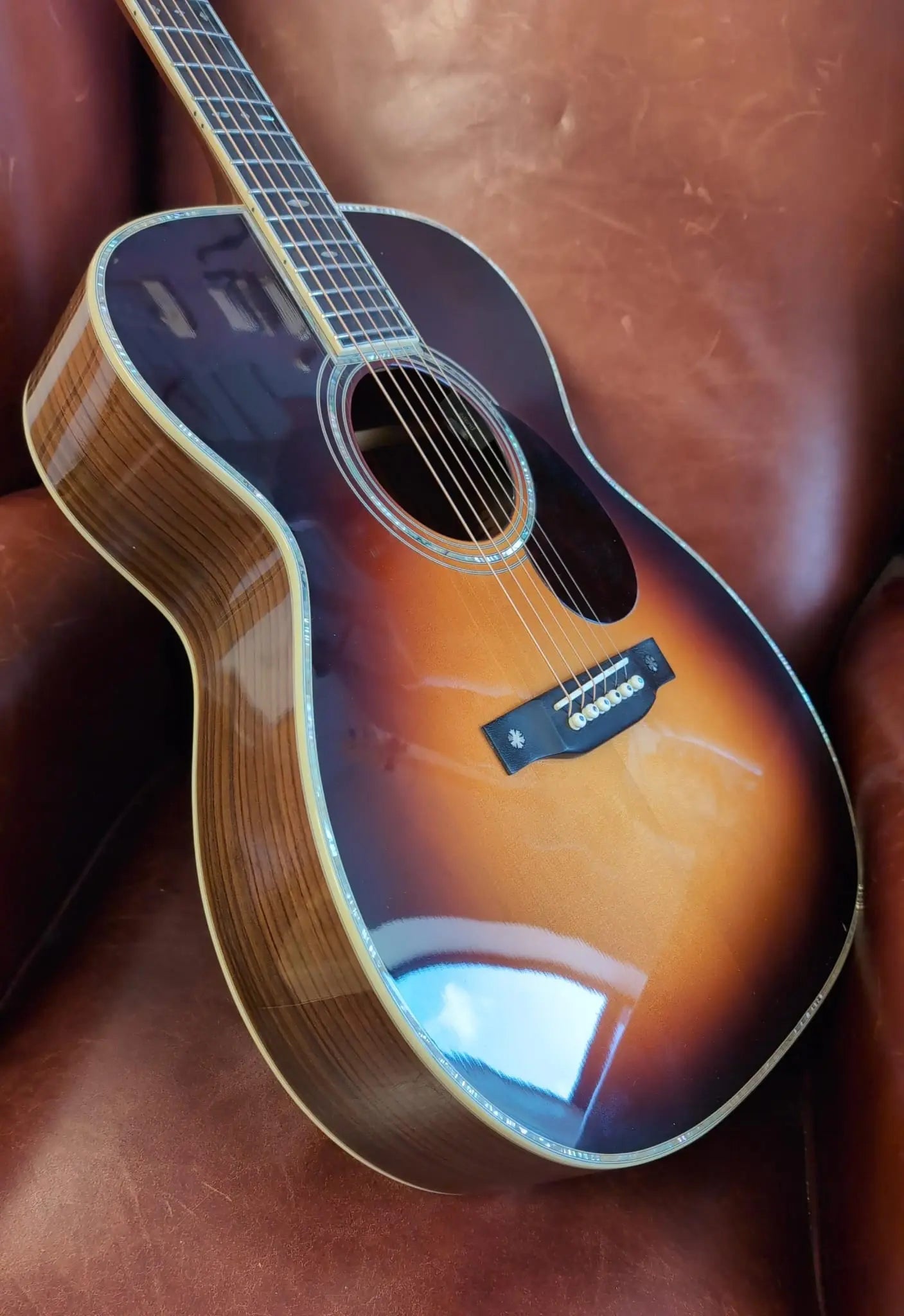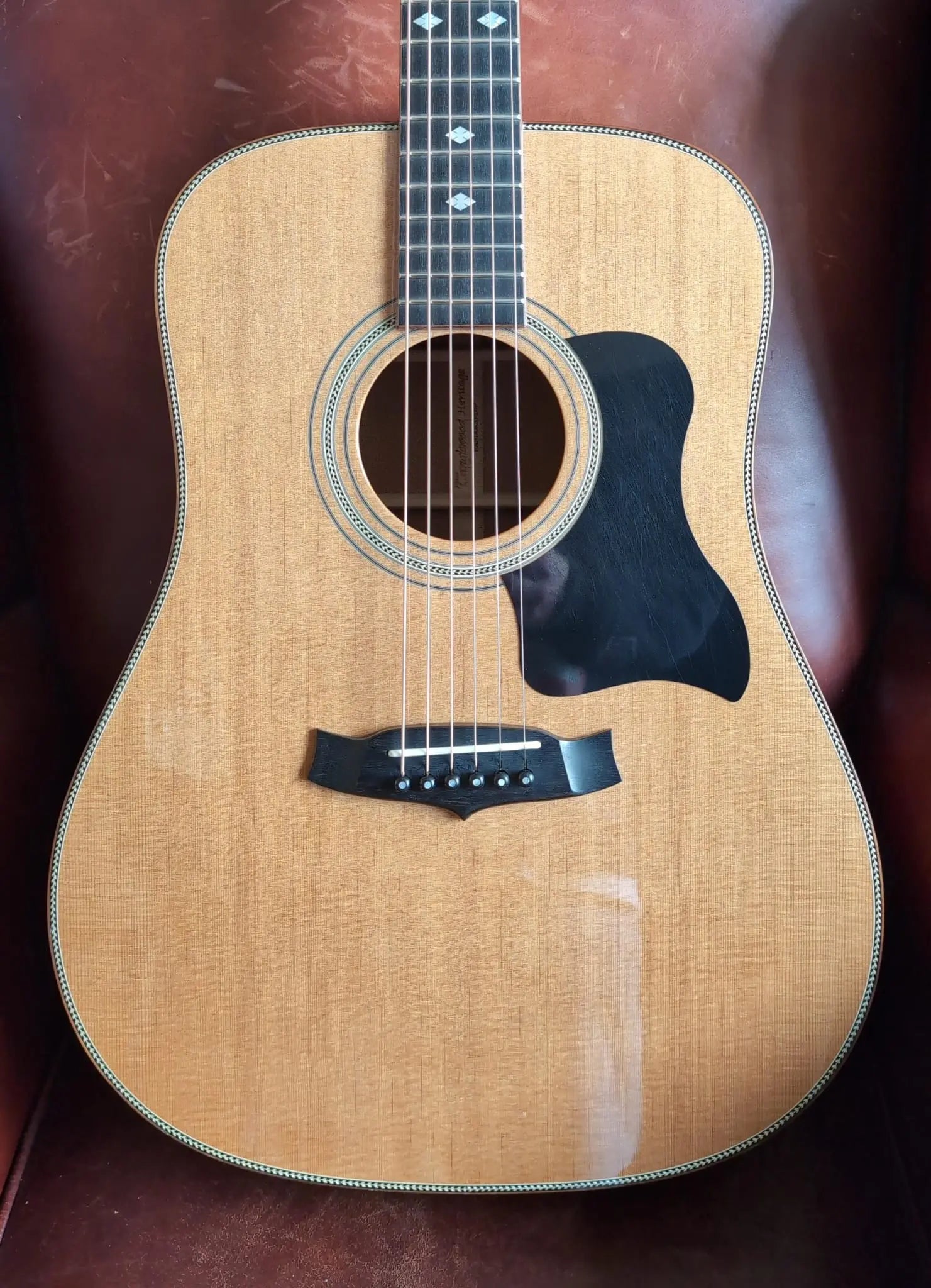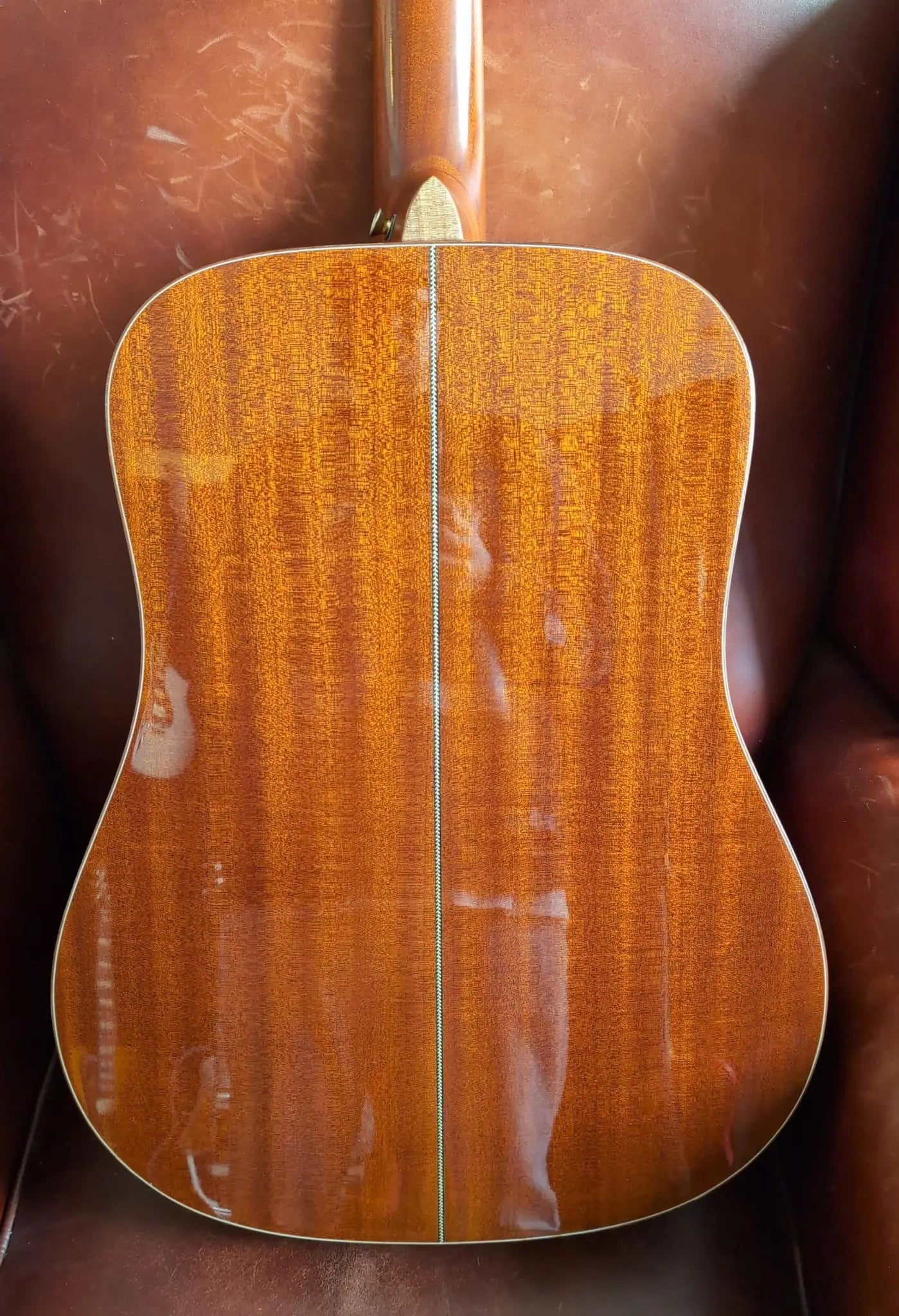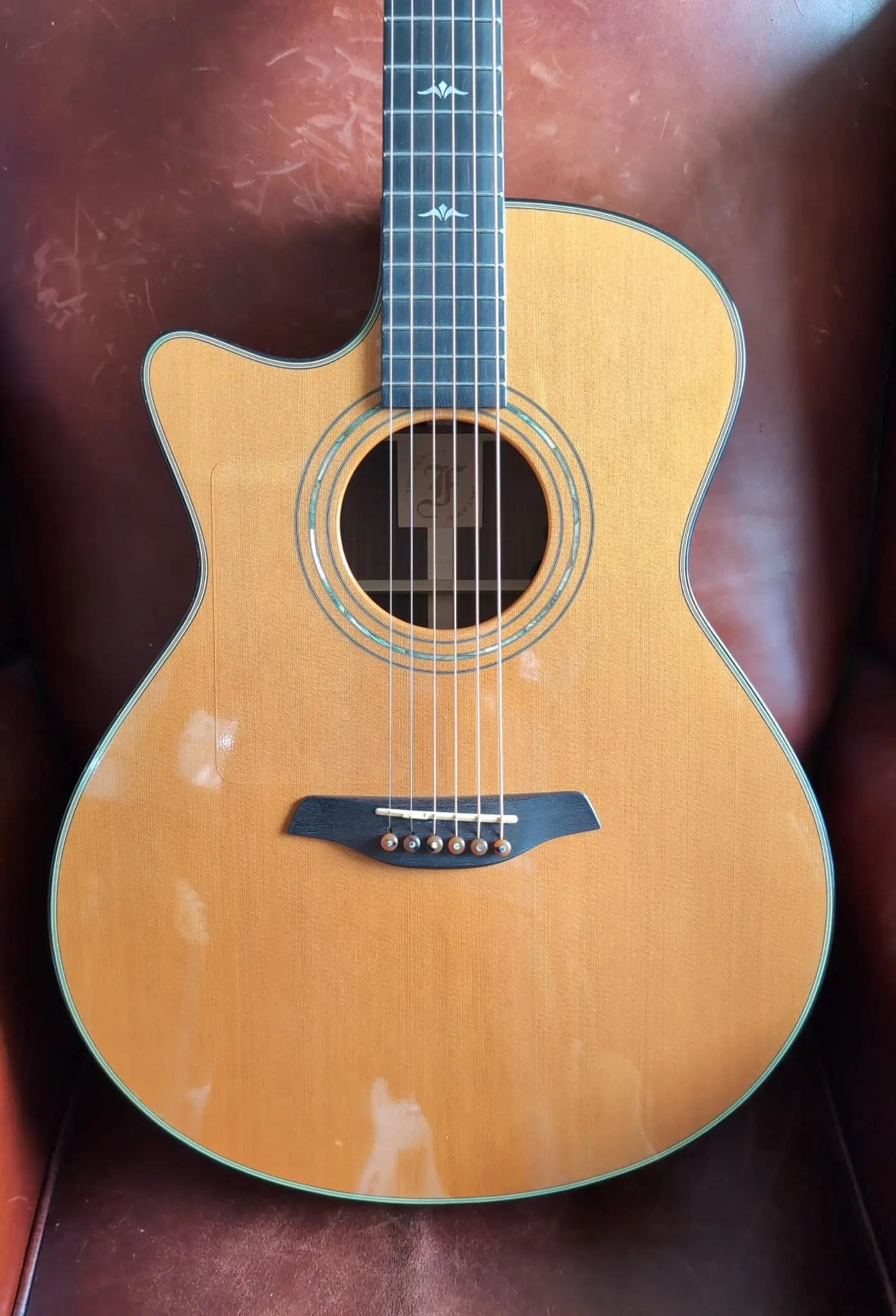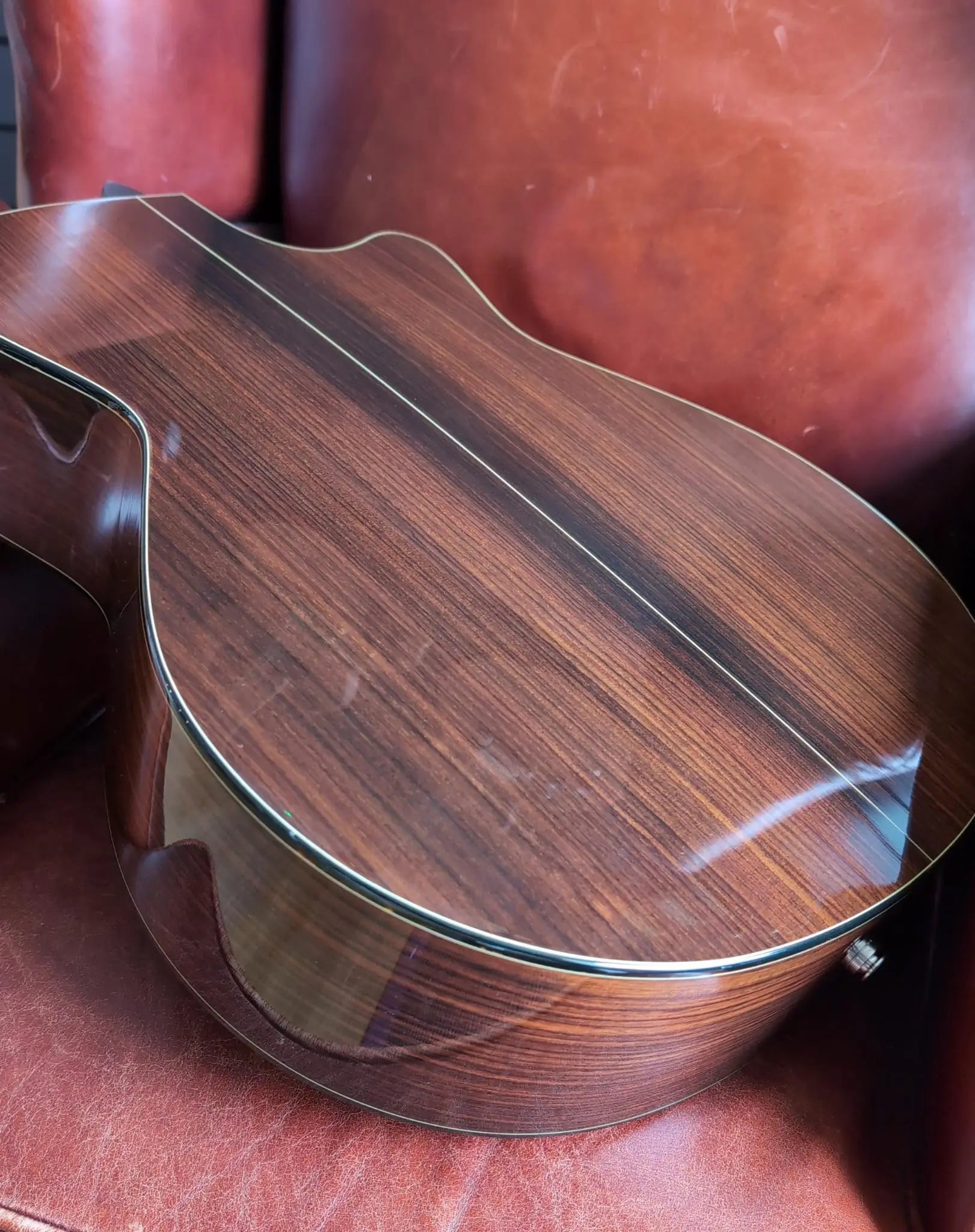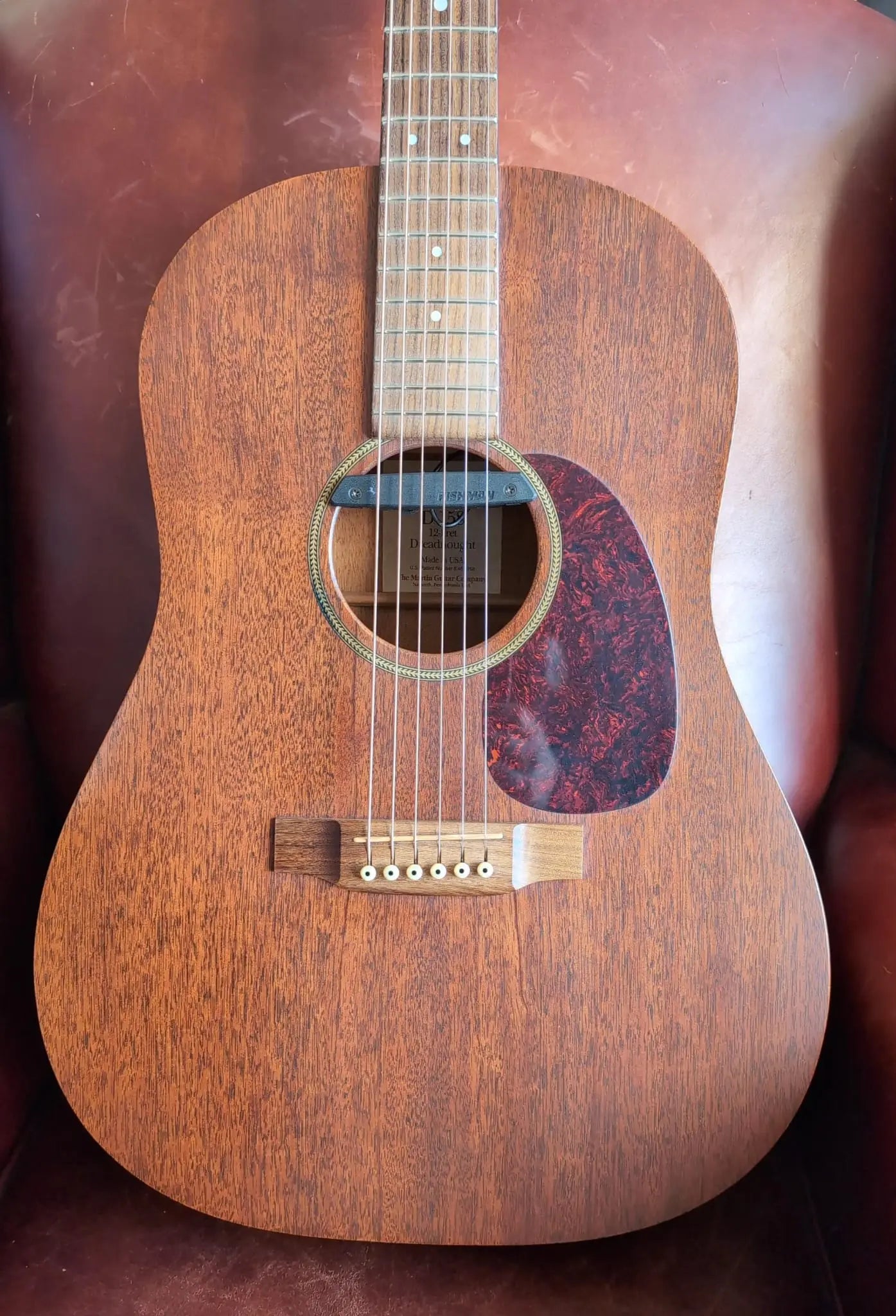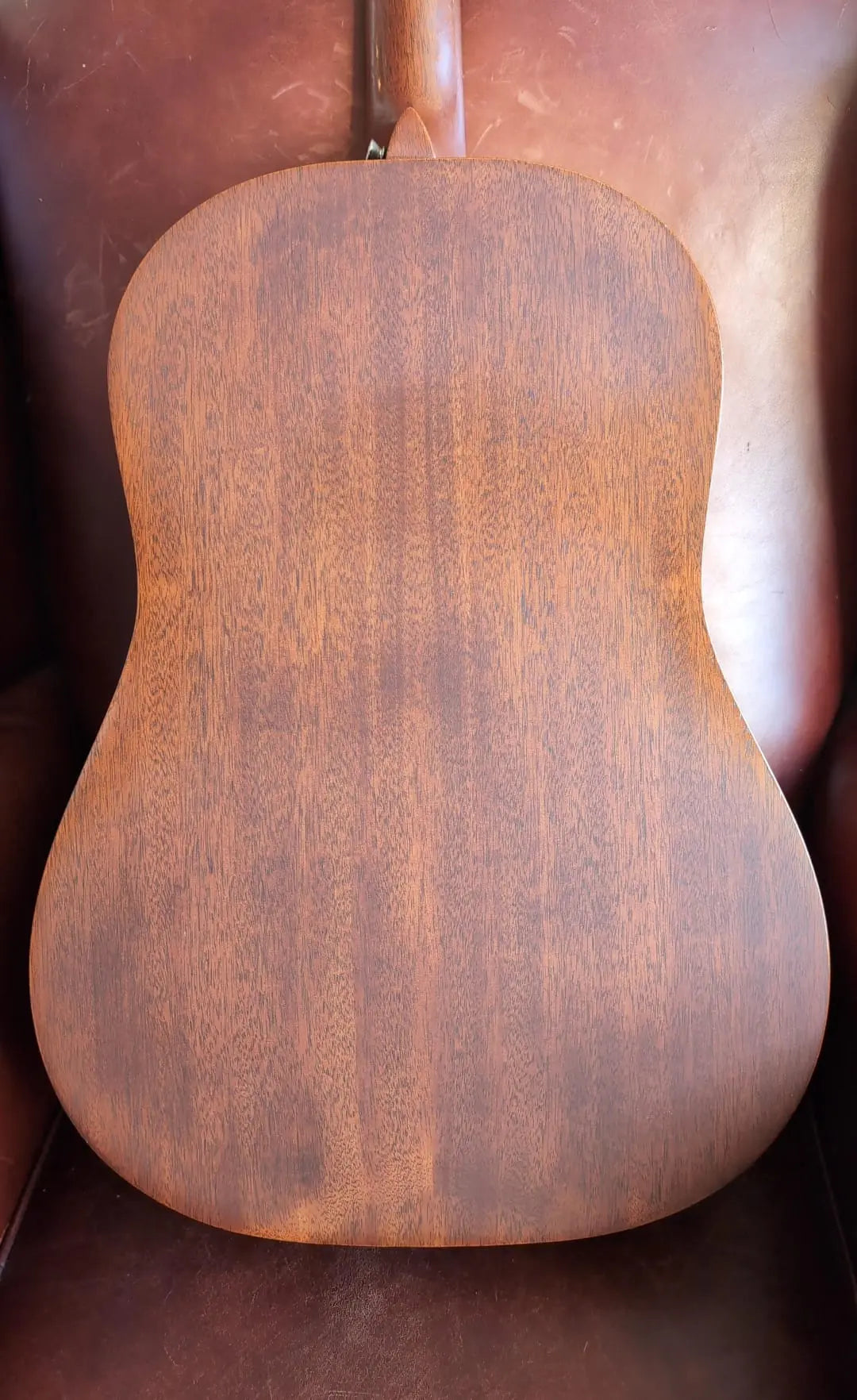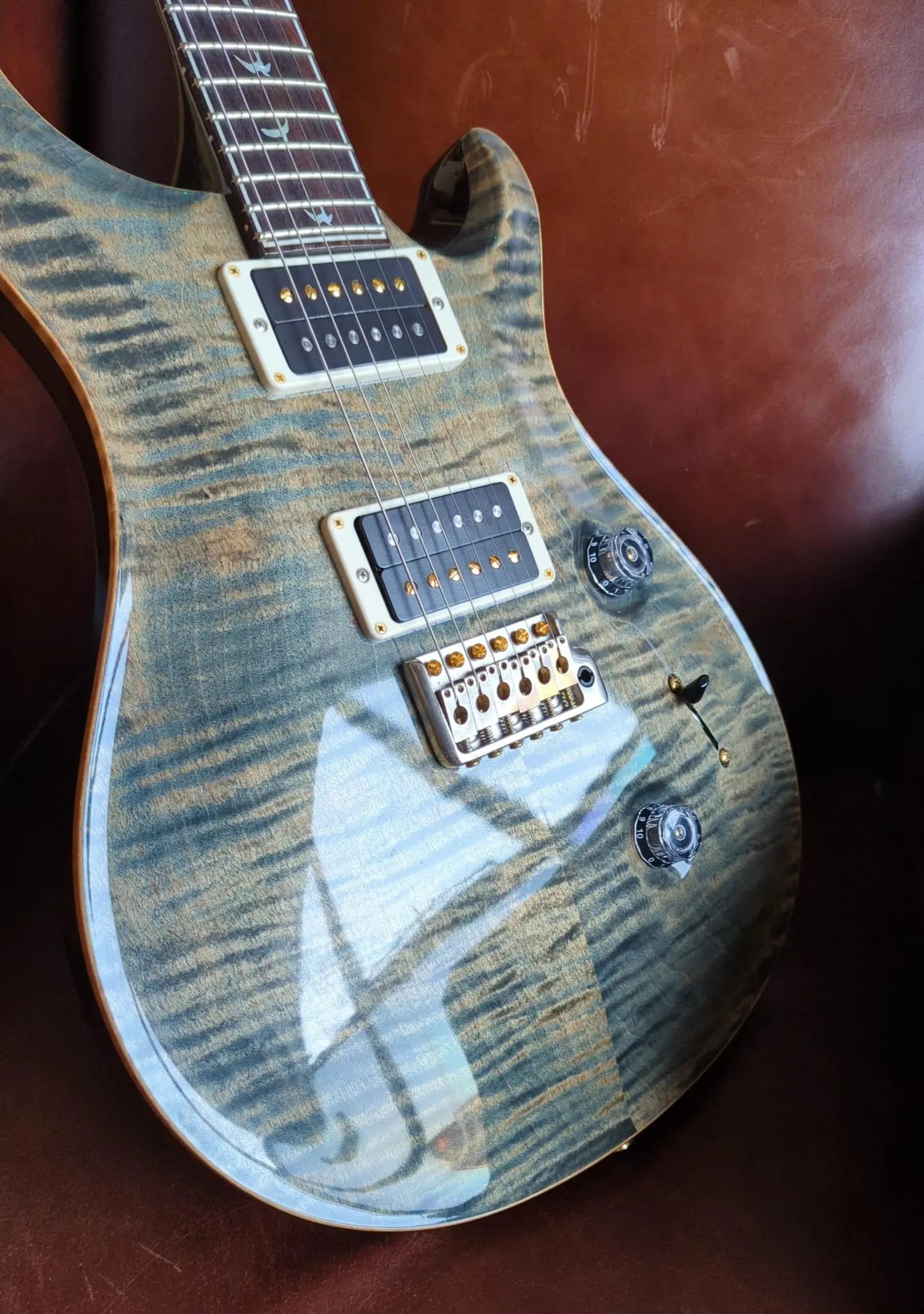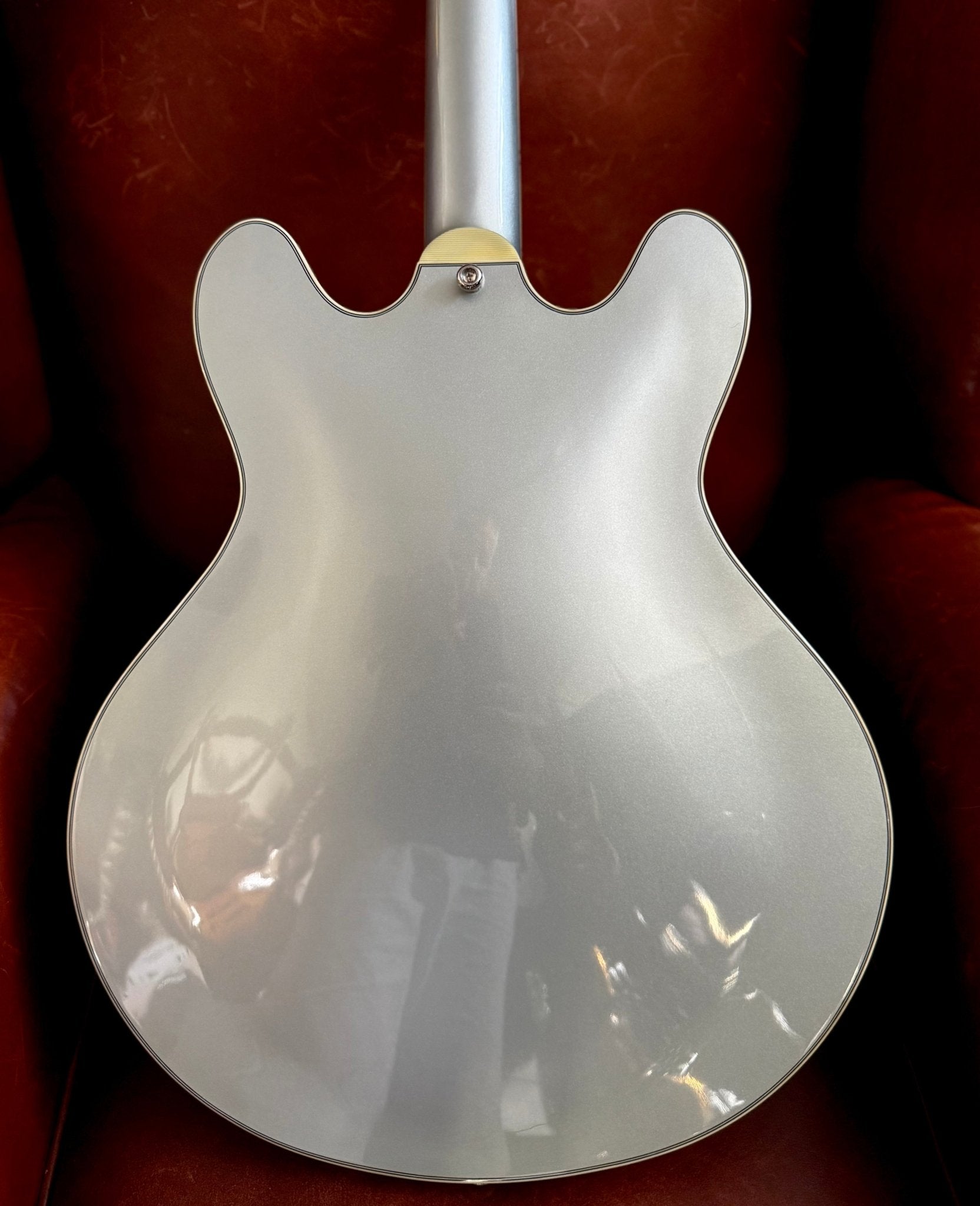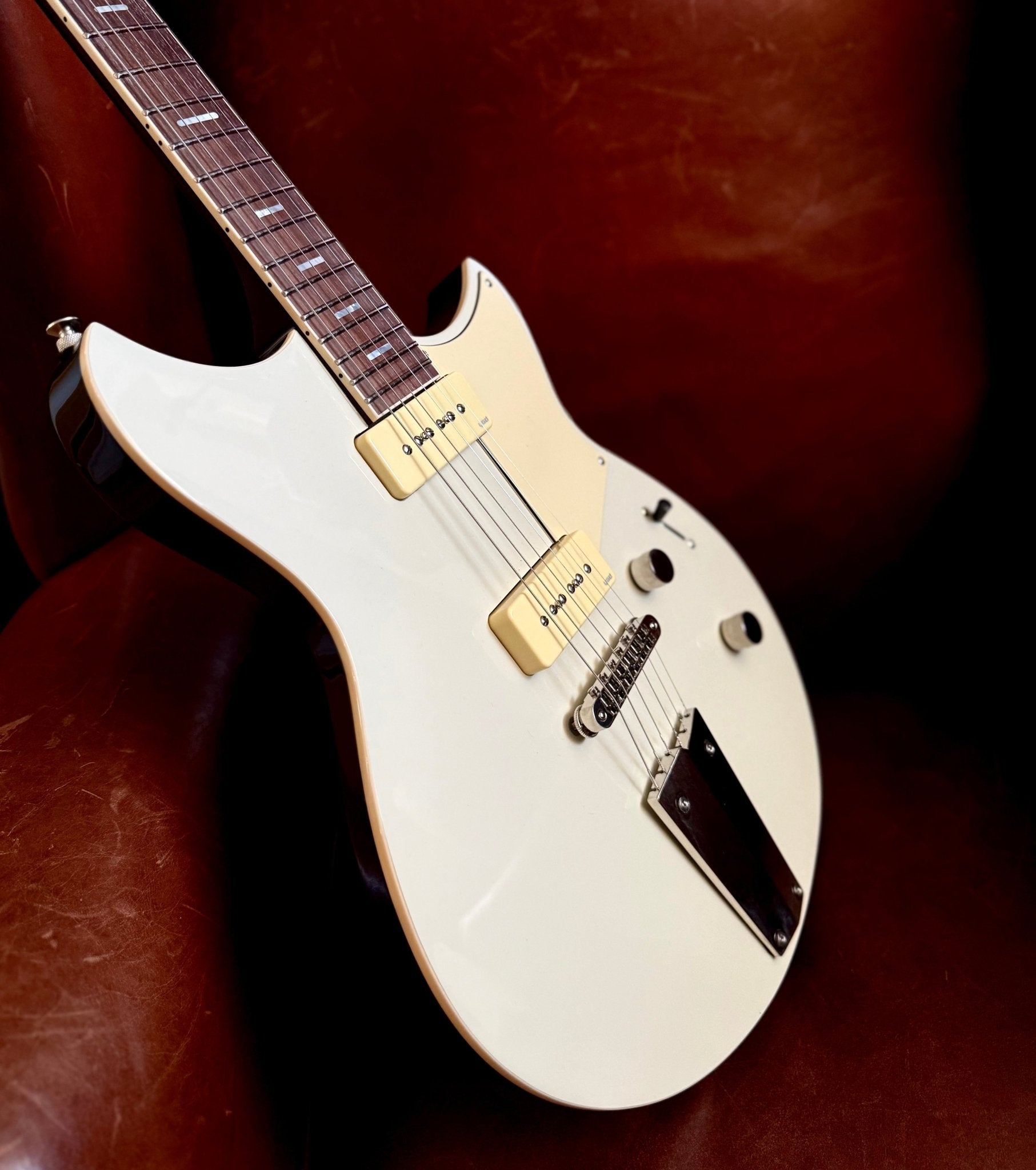
Beautiful looking guitar and it's easy to play and sounds great. I am very happy with my Eastman 😊🎸
Arrived perfectly in tune and set up wonderfully, playability is outstanding, very very happy!



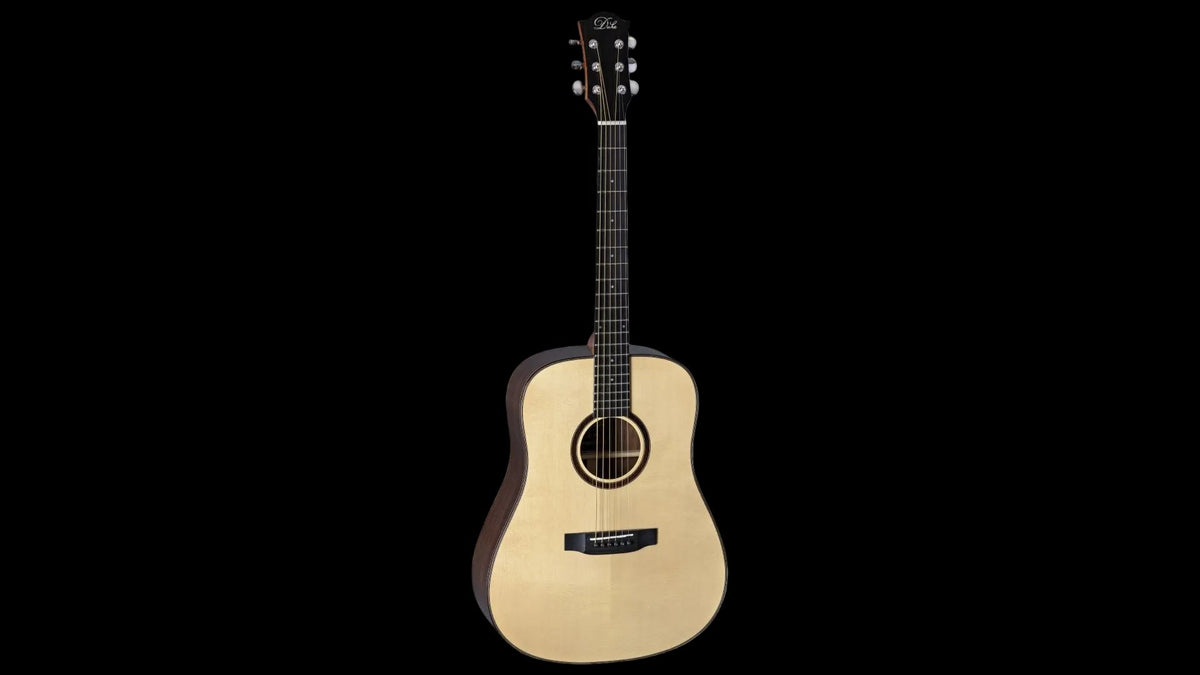
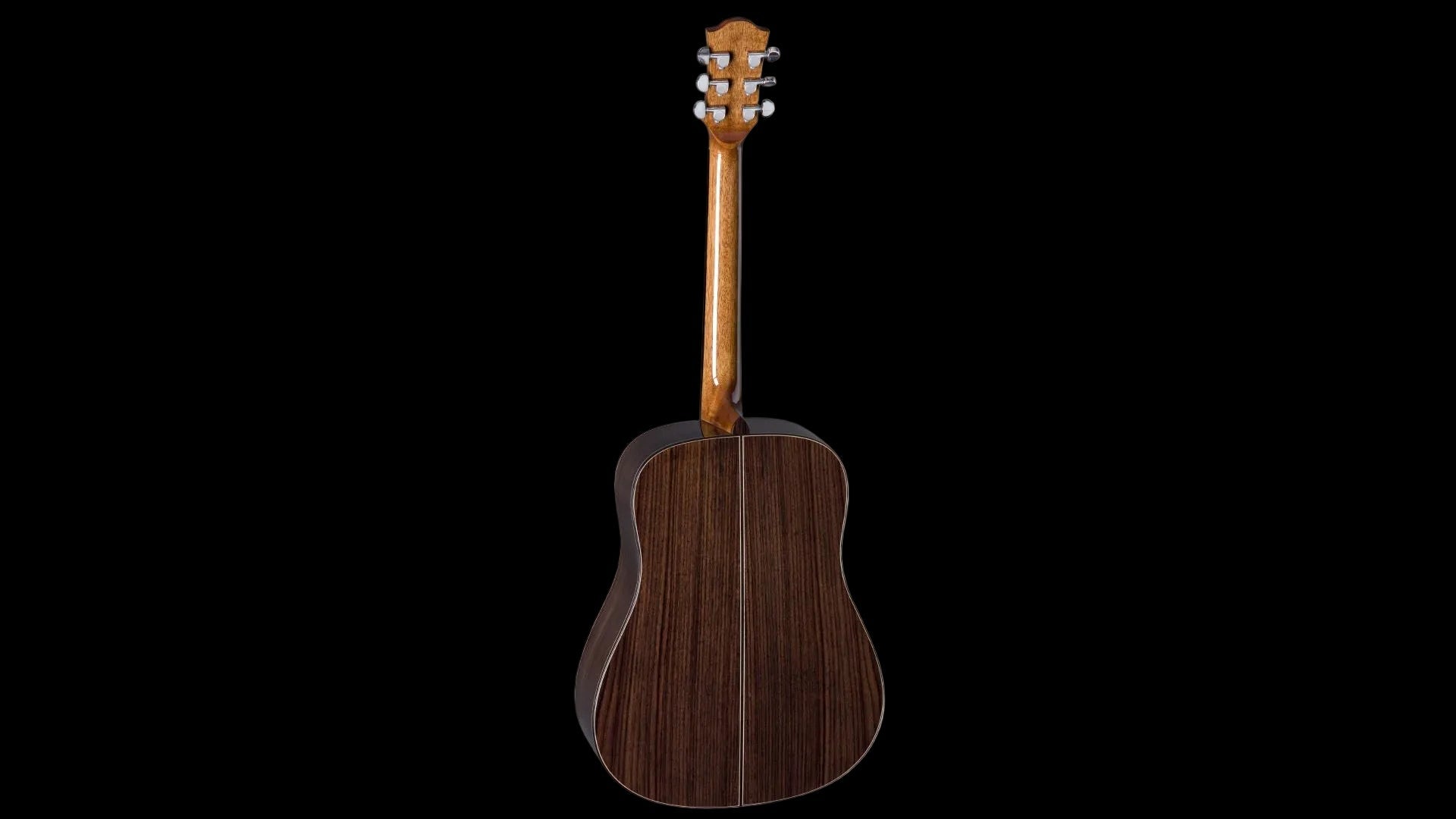
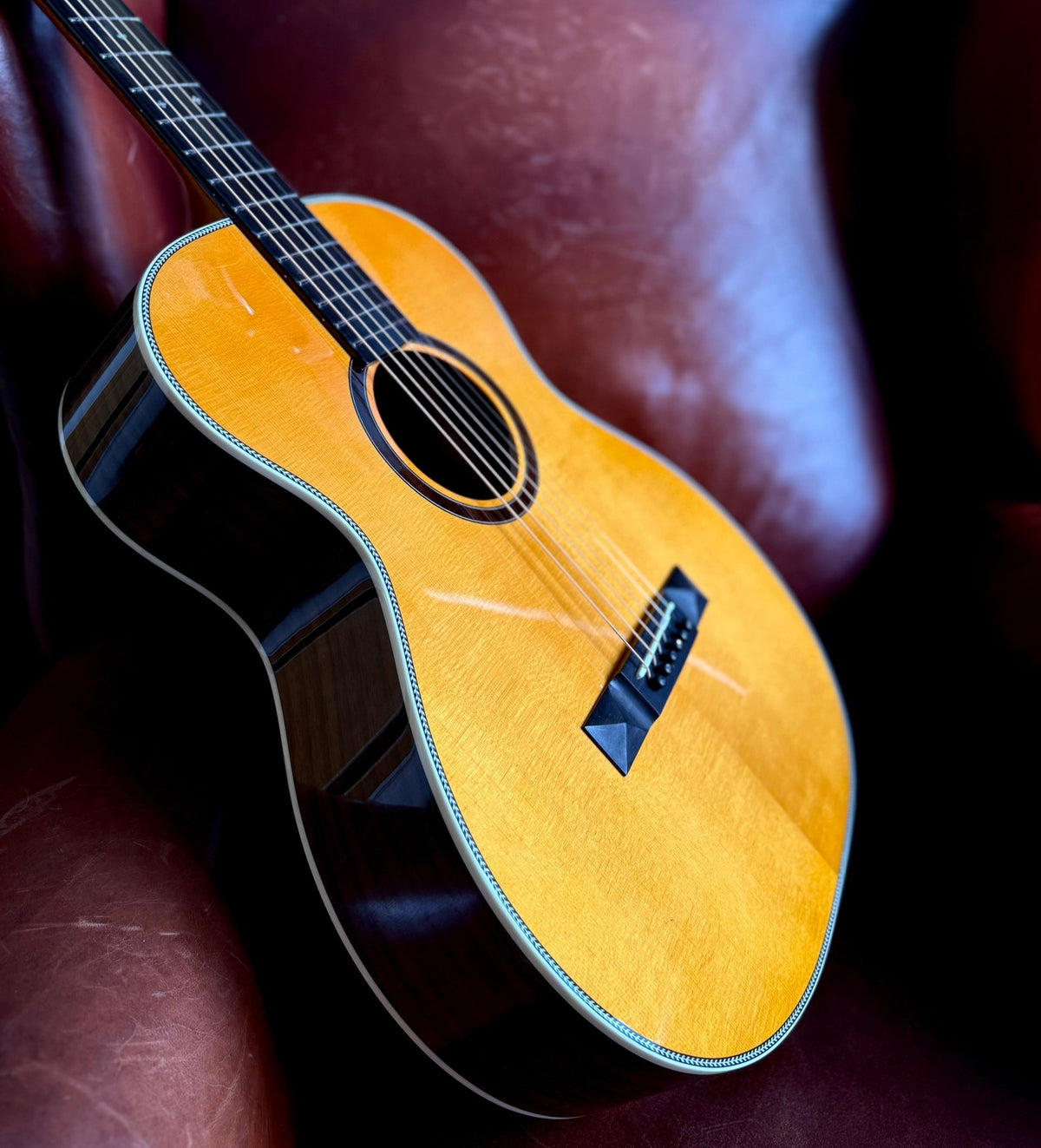
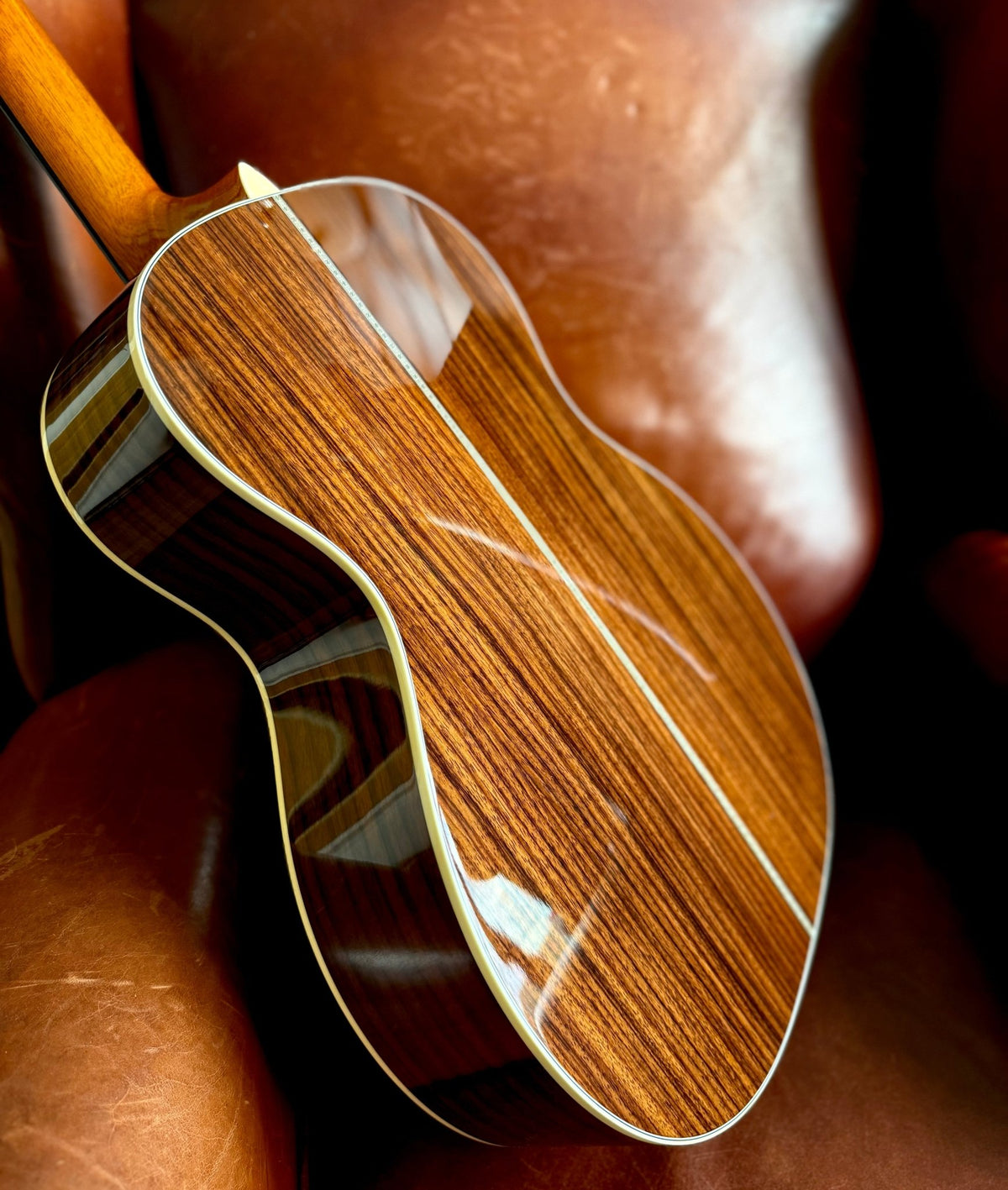
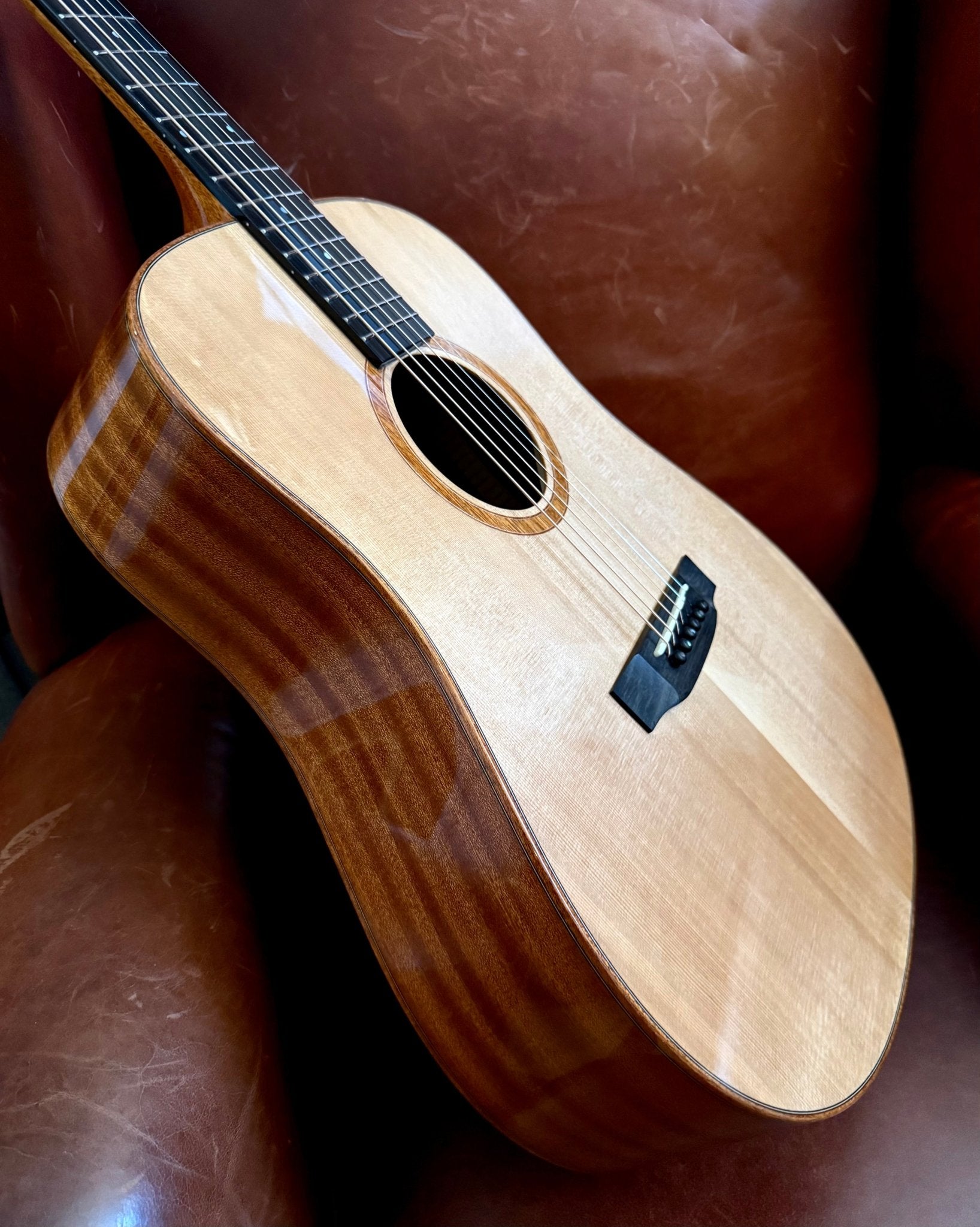
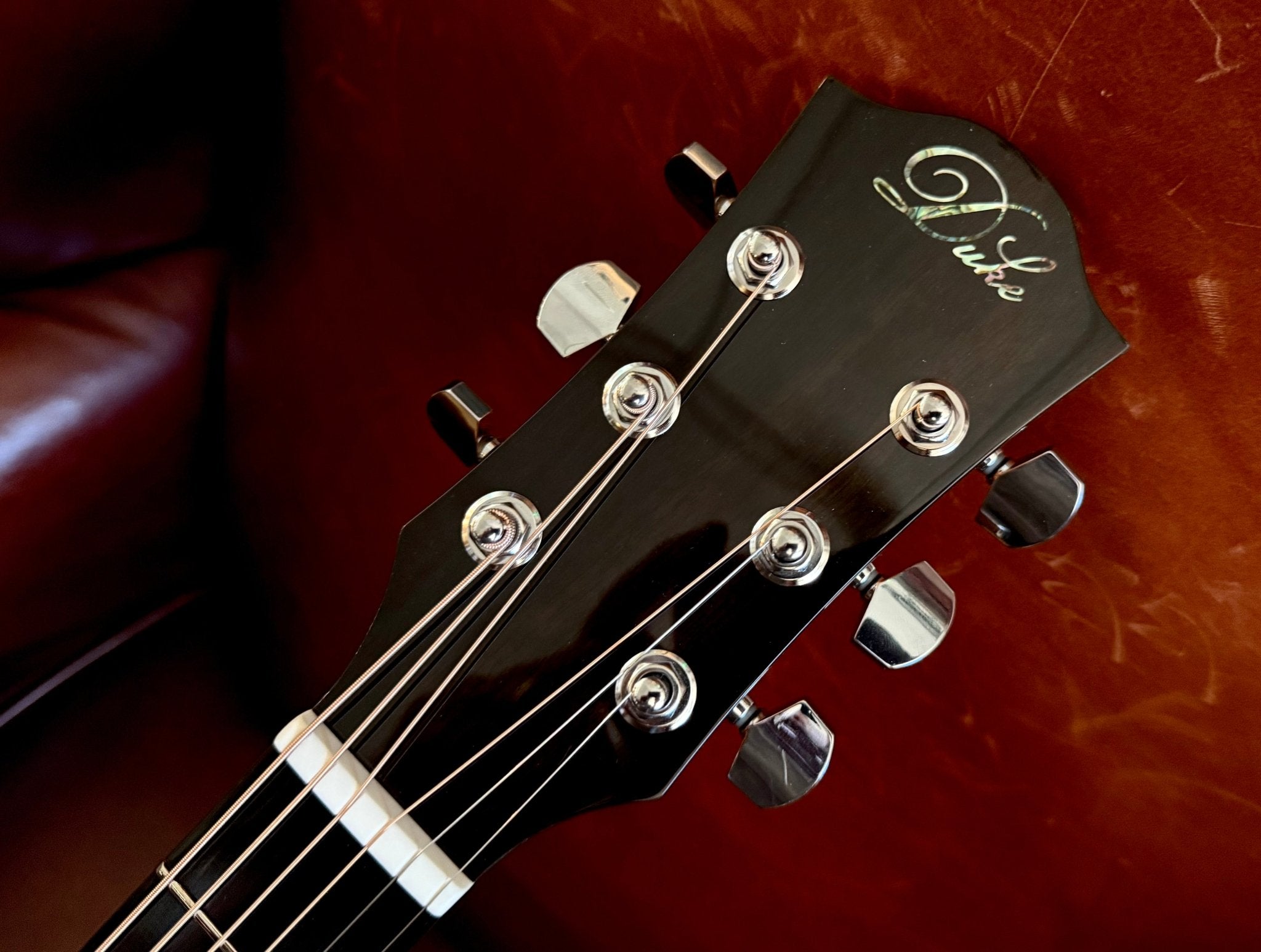


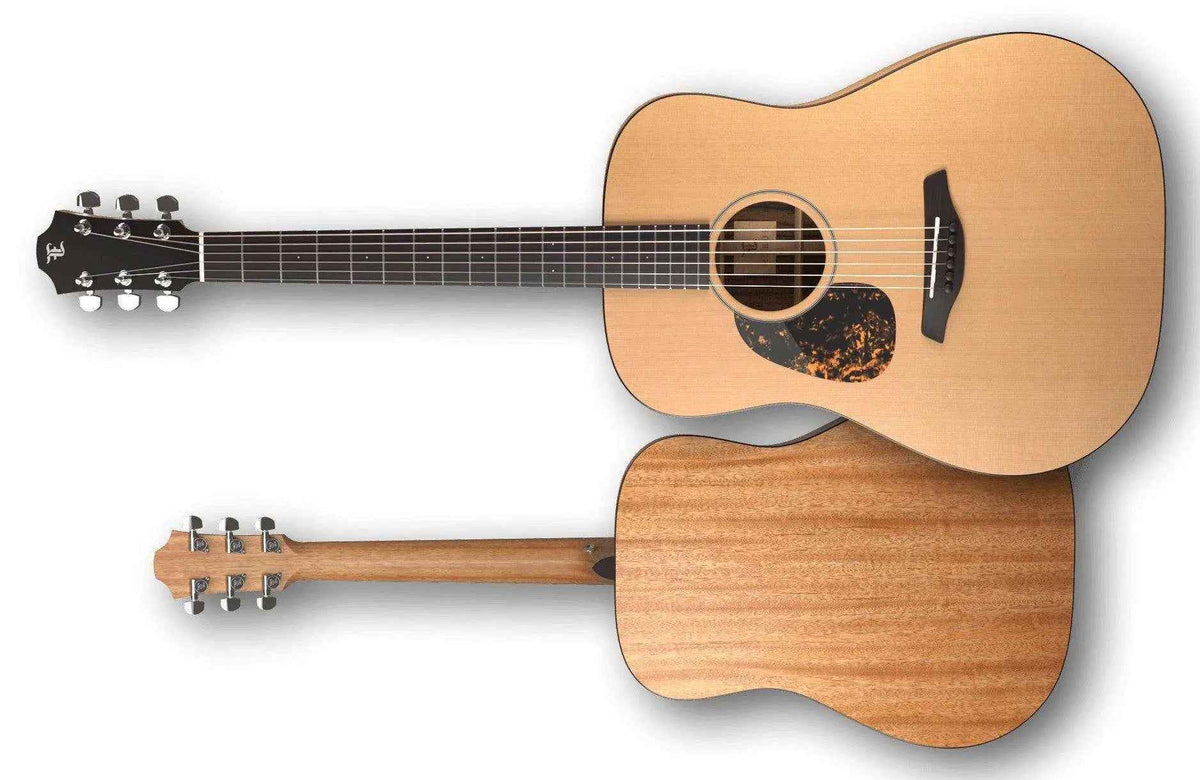
Duke acoustic guitars come in two wood pairings. PF models have a solid Swiss alpine spruce top with East Indian rosewood, and MC models have a solid Canadian cedar top with mahogany. On the standard models the back and sides are laminated, while the Solid models are solid wood throughout, with abalone inlays and gold tuners with ebony buttons. Every Duke has a bone nut, an ebony fingerboard and Elixir Nanoweb strings, and the A-PF-Solid has a 630 mm scale, 20 mm shorter than standard, for less stretch between the fingers. To compare Duke with the other makers we stock, see our full range of acoustic guitars.
Most Duke models have a cutaway, and 20 are electro acoustic guitars with the battery free Mi-Si system and an LR Baggs Element pickup. The Trio VT models use the Mi-Si Trio preamp, and the Air models add a microphone to the pickup. There is no battery to replace, as the Mi-Si Power Charger tops the system up in around 60 seconds. The range also includes the GA-PF-Cut-Solid-12 and 12-Air 12 string models, and left handed versions of the D-PF and GA-PF cutaway models.
Solid wood Duke models start at £879 with the D-MC-Solid. Among our Furch guitars, made in the Czech Republic, the all solid Blue series starts at £899, and among our Eastman guitars, the all solid E1D is £599. We can have Duke, Furch and Eastman models ready to compare side by side at your showroom visit.
Duke guitars are designed by the German luthier Armin Hanika. They are built in China under his design and engineering guidance, then finished and set up in the Duke master workshop in Tübingen, Germany.
Richard says Duke guitars "sound so utterly breathtaking for the price", and credits Armin Hanika's guidance on the tone of each model. Every Duke leaves Tübingen with newly dressed and polished frets and a play ready string action.
Richards Guitars in Stratford-upon-Avon has 58 Duke guitars in stock, from £629 to £2,099. You can order online with free UK delivery or try them in our showroom by appointment.

Making a difference...
Its not all about our uniquely personalised setup & support (See our Custom Pro Setup & Support Package which is FREE with every guitar and worth £225)
Customer guitar purchases contribute to the Richards Guitars Forest which is now home to over 10,000 trees!